Skip to content
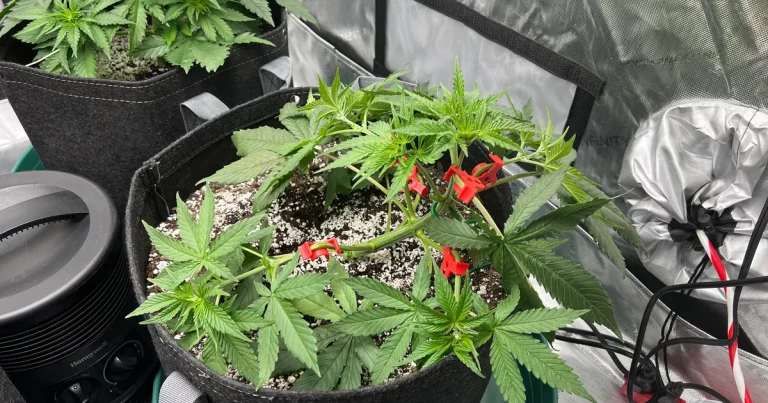 Training basics: topping, FIMing, LST and supercropping
Training shapes the canopy through pruning or bending. Some treatments improved cannabinoid uniformity across different plant sites in a greenhouse study, but…
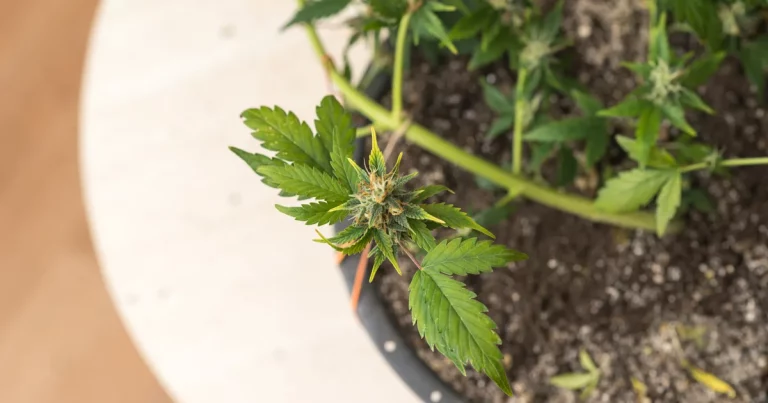 How to train autoflowers safely
Autoflowers run on their own clock, so train gently and early. Bending and tucking leaves is safest. Only top a plant that's…
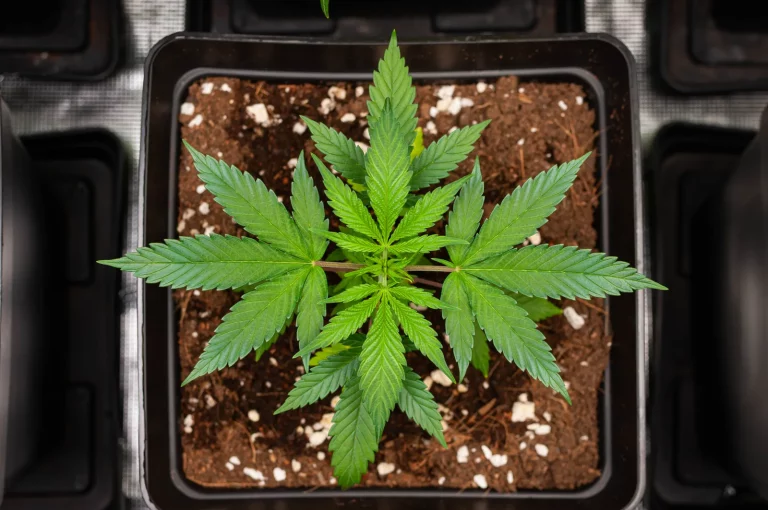 The vegetative stage: building the plant before flowering
In the vegetative stage the plant builds roots, branches and leaves. Photoperiod plants usually get 18 hours of light, and you decide…
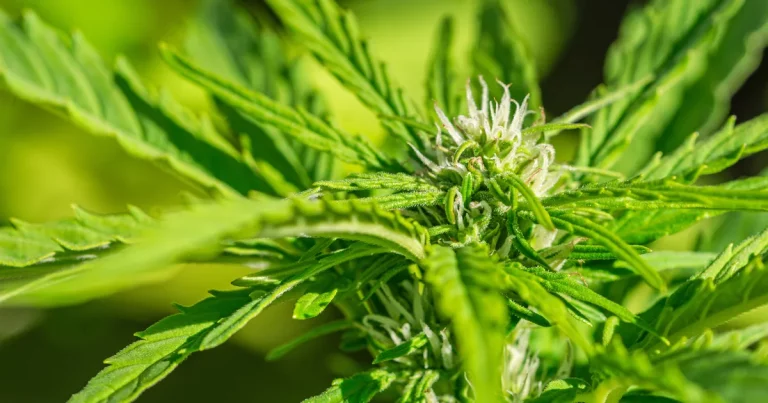 How to tell male from female plants, and what to do about hermaphrodites
Check the nodes where branches meet the stem for female flowers or pollen sacs. If you're growing unseeded flower, keep pollen-producing plants…
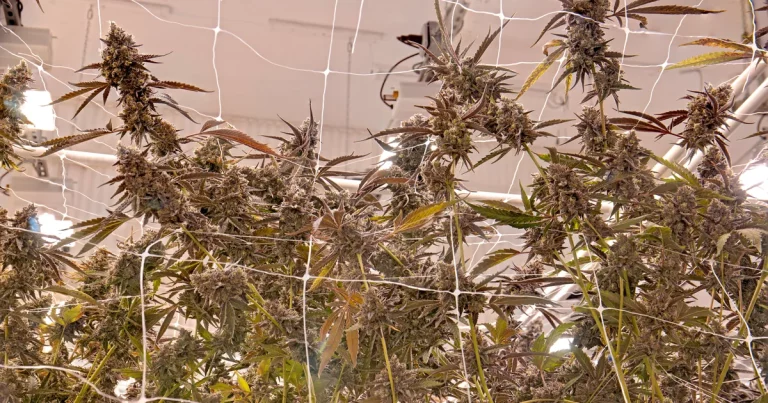 The flowering stage, week by week
Stretch, bud building and ripening provide a useful map of flowering, but their timing varies by cultivar and conditions. Use the example…
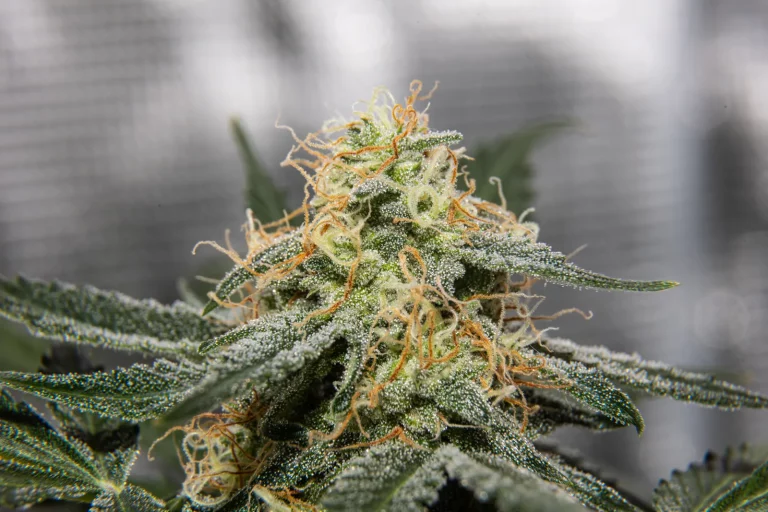 Late flower: the final weeks, fade, flushing and myths
Keep conditions steady, look into unusual yellowing, and watch for hidden bud rot. Preharvest flushing isn't a guaranteed quality boost; longer nutrient…
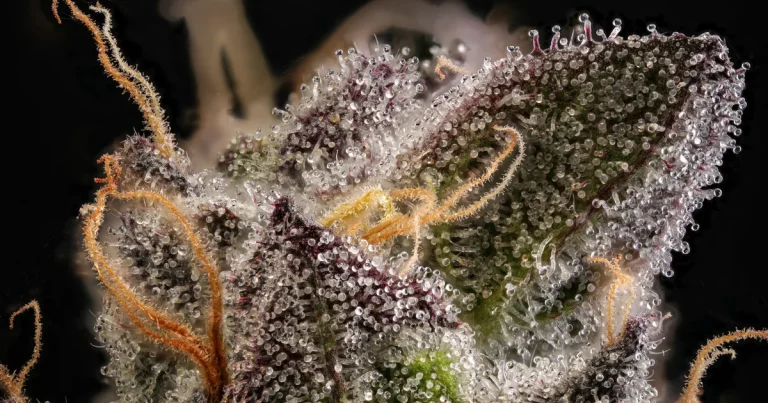 When to harvest: reading trichomes and hairs
Use flower development, cultivar timing and trichome appearance together. Mostly cloudy heads with some amber is a common grower cue, not a…
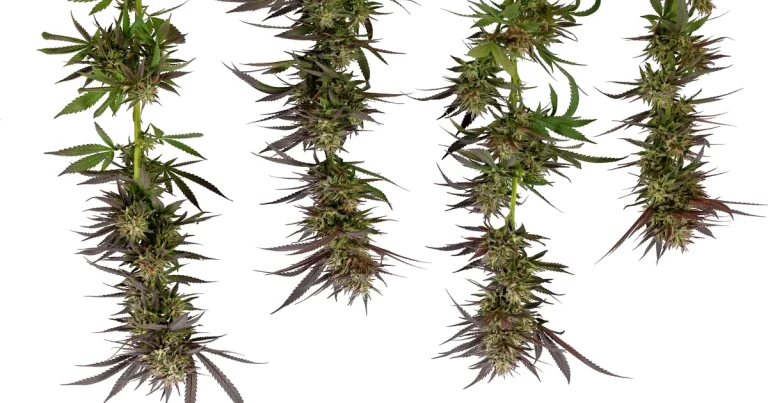 How to dry cannabis: slow, cool and dark
A common starting point for drying is about 60°F and 60% relative humidity, with gentle, indirect airflow. Adjust to your conditions. Neither…
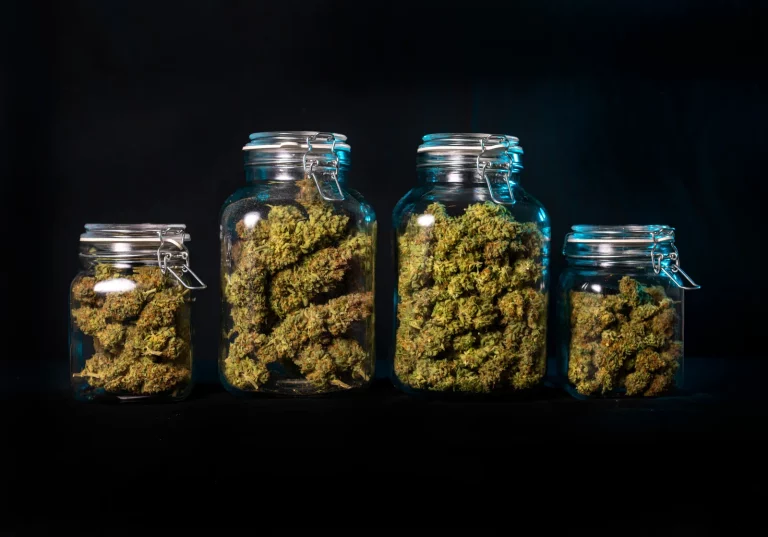 Curing and storing cannabis
Start curing only after the flower is properly dry, keep an eye on moisture, and store whole flower sealed, cool and dark.…
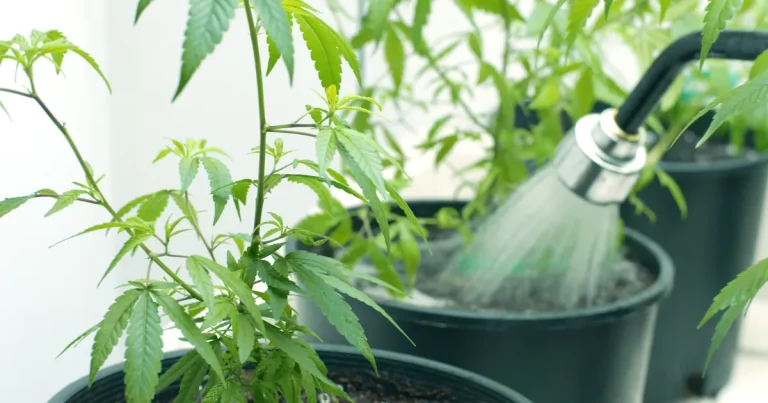 How to water cannabis, and how to tell too much from too little
In soil, water thoroughly, then wait until the pot feels noticeably lighter before watering again. Coco gets watered more often. Drooping can…

