Skip to content
 Caterpillars in buds: corn earworm and what follows
Tunnels, droppings and wilting tips in flowering buds usually mean caterpillars, often corn earworm outdoors. Check buds by hand from the start…
Powdery mildew: white dusty patches on leaves
White, flour-like spots on the top of leaves are usually powdery mildew. Remove affected leaves early, because new spores can appear every…
Bud rot: brown, dying buds and gray fuzz
A browning, dying section of bud, sometimes with gray fuzz, usually means bud rot. It can't be cured and it often starts…
Root rot: brown roots and a plant that keeps declining
Wilting or stunting that watering and feeding don't fix, with brown or decaying roots, points to root rot. Check the roots before…
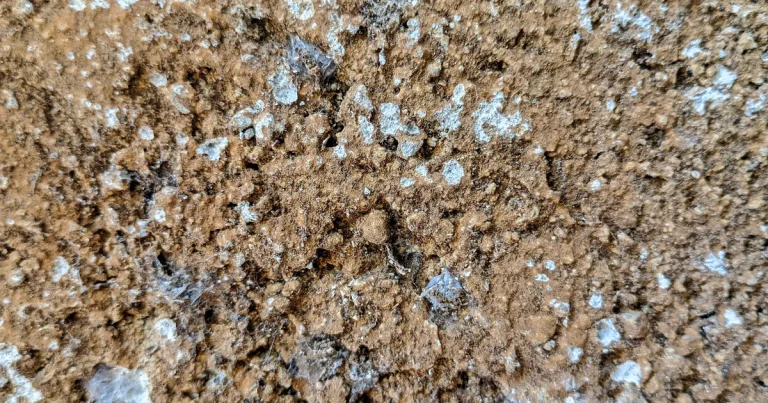 Nutrient burn, salt buildup and runoff pH
Burnt tips can suggest excess salts, but they aren't a diagnosis. Confirm with a consistent substrate test before changing feed or leaching,…
 Silica, mycorrhizae, foliar sprays and boosters: what is actually proven?
Get the basic environment and feeding program right before buying extras. Cannabis and hemp supplement trials exist, but effects depend on the…
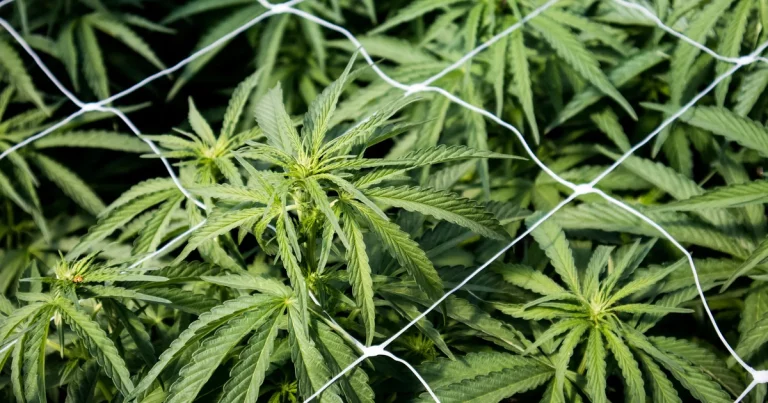 SCROG or SOG: which canopy method?
SCROG spreads one to a few plants across a net over a longer growing time. SOG packs in many small plants and…
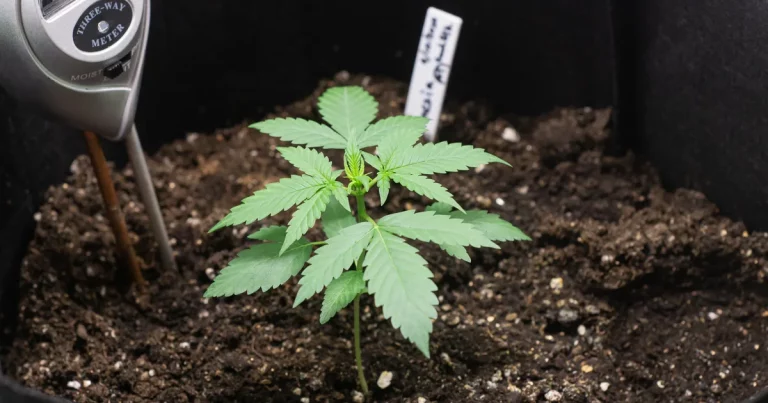 Cannabis pH: what the research actually says
Match pH to your medium and measure it the same way every time. Hemp research shows very acidic substrate can slow growth,…
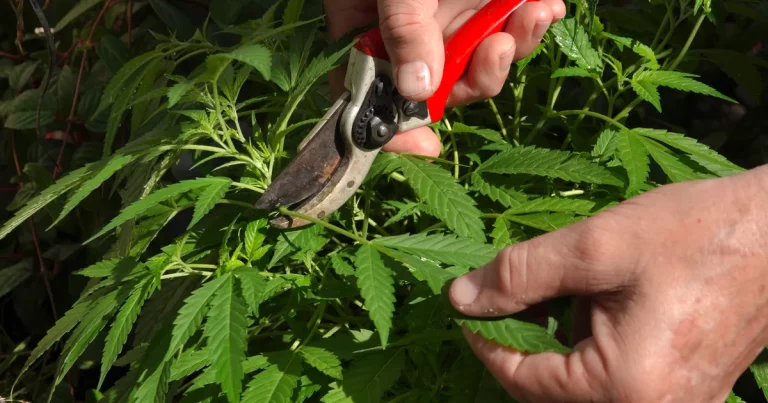 Defoliation and lollipopping: what to remove and what to leave
Remove leaves or weak growth for a clear reason, while keeping healthy foliage that supports the plant. Some studied treatments improved cannabinoid…
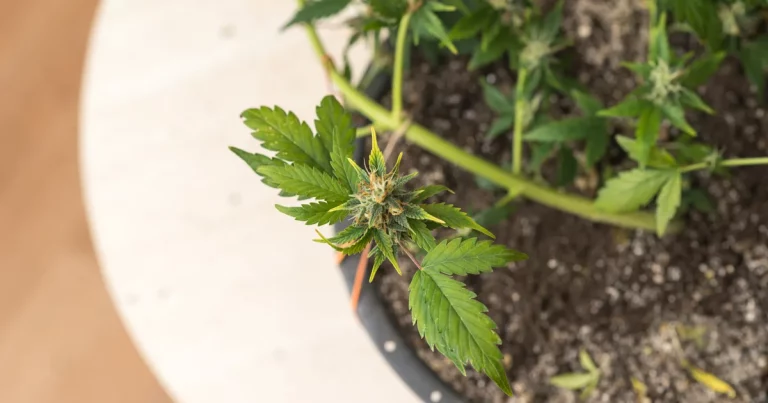 How to train autoflowers safely
Autoflowers run on their own clock, so train gently and early. Bending and tucking leaves is safest. Only top a plant that's…

