Skip to content
 Light burn: bleached leaves closest to the lamp
Pale or bleached leaves at the very top of the plant, closest to the light, may mean too much light or heat.…
Heat stress: when the tent is running too hot
Wilting or curling on a plant with moist roots, in a tent that runs hot, may be heat stress. Measure the temperature…
Aphids: clusters and sticky leaves
Clusters of small soft insects on stems and under leaves, often with sticky or shiny residue, mean aphids. They can be knocked…
Caterpillars in buds: corn earworm and what follows
Tunnels, droppings and wilting tips in flowering buds usually mean caterpillars, often corn earworm outdoors. Check buds by hand from the start…
Powdery mildew: white dusty patches on leaves
White, flour-like spots on the top of leaves are usually powdery mildew. Remove affected leaves early, because new spores can appear every…
Bud rot: brown, dying buds and gray fuzz
A browning, dying section of bud, sometimes with gray fuzz, usually means bud rot. It can't be cured and it often starts…
 The flowering stage, week by week
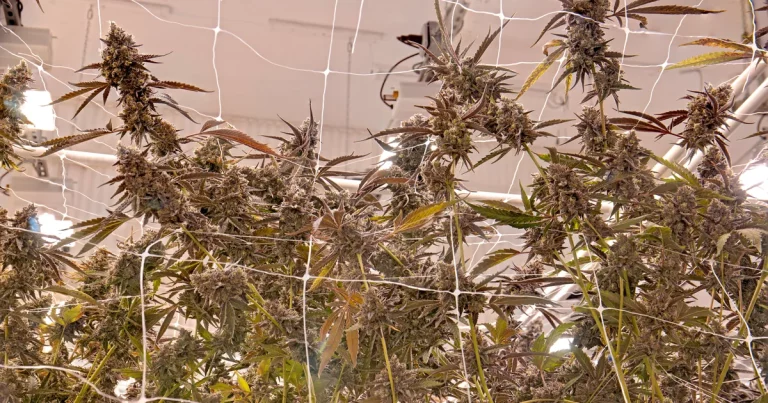
Stretch, bud building and ripening provide a useful map of flowering, but their timing varies by cultivar and conditions. Use the example…
 Late flower: the final weeks, fade, flushing and myths
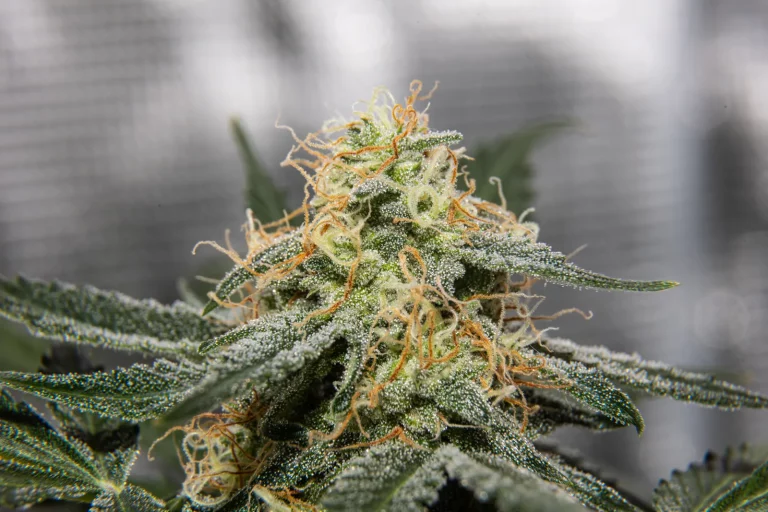
Keep conditions steady, look into unusual yellowing, and watch for hidden bud rot. Preharvest flushing isn't a guaranteed quality boost; longer nutrient…
 Temperature, humidity and VPD made simple
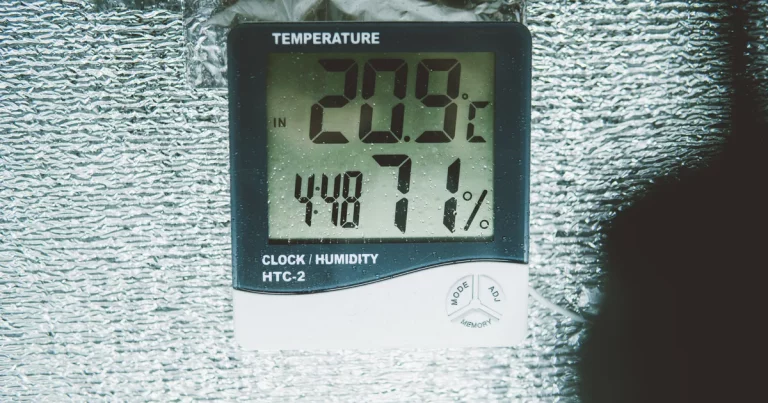
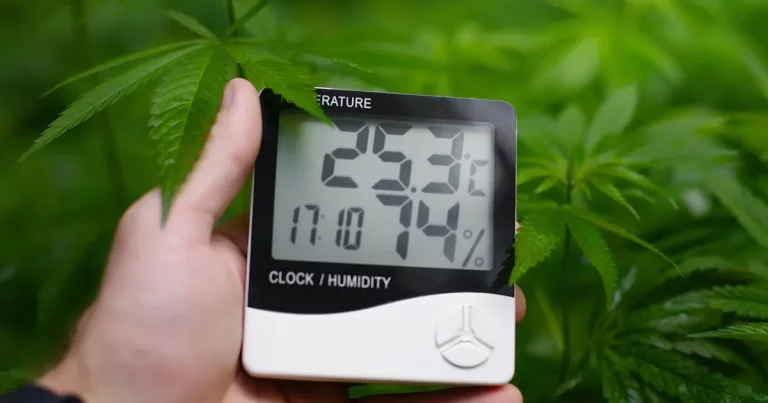
Aim for warm, steady temperatures, higher humidity for seedlings, and lower humidity as buds fill out. VPD combines temperature and humidity into…
 Powdery mildew, bud rot and root rot
Learn to spot powdery mildew, flower molds and root disease early. Clean starting material, moisture management and airflow reduce risk but don't…

