

Watering
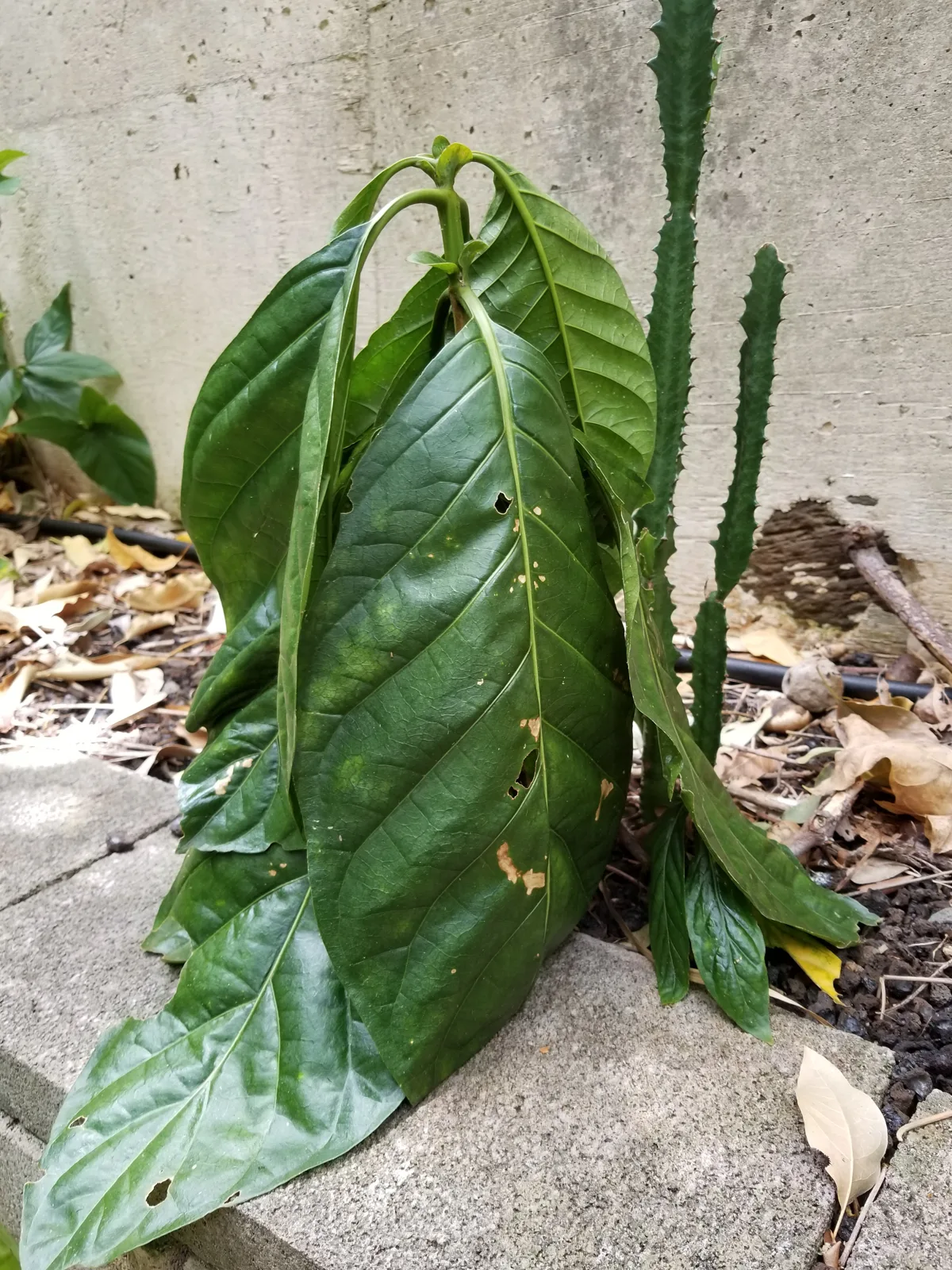
Underwatering: a light pot and a limp plant
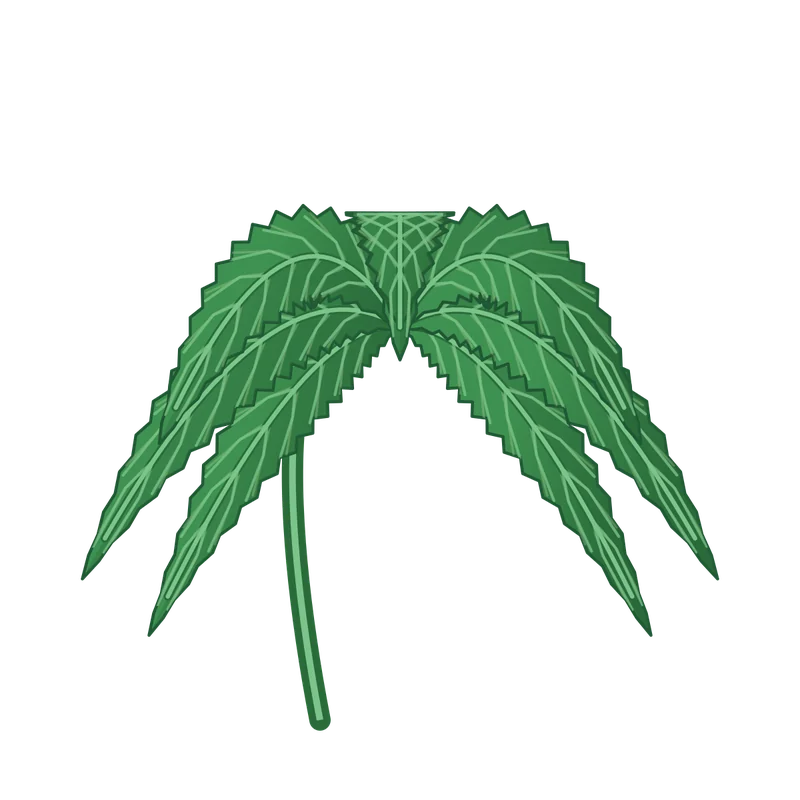
A limp plant in a pot that feels very light probably just needs water. Water it slowly until the whole pot is wet, then see how it looks after a few hours.
On this page
This is one of the easier problems to test: if the pot is light and the plant perks up after watering, you have your answer.
What it looks like
- Leaves that hang limp and feel thin, with stems drooping too. That’s the grower rule of thumb in our watering guide.
- A pot that feels very light.
- Scorched or dropping leaves if it goes on or keeps happening (University of Maryland Extension).
Plants also droop a little shortly before the lights go off. That’s normal, so judge them in the middle of the day.
Why it happens
A bigger plant drinks much faster than a small one, so a watering routine that worked last week can fall short this week. Heat, strong airflow and root-bound pots also dry things out faster. Hot conditions raise a plant’s water use: transpiration kept climbing with temperature and light up to the highest levels tested in one study (Chandra et al. 2008).
How to confirm it
- Lift the pot. Compare it with how it feels just after watering.
- Feel the mix below the surface.
- Water and watch. Recovery after watering, if the roots are healthy, is the best confirmation.
What else it could be: if the pot is heavy, it’s not this, so check for overwatering. If the mix is moist and the plant stays limp after a few hours, check the roots for rot, and consider heat or salt buildup.
What to do
- Water slowly until the whole pot is wet, with some drainage if your system calls for it.
- Don’t feed strong nutrients into very dry mix. This is common grower advice rather than a tested finding, and you can resume your normal feed once the plant recovers.
- Check again sooner. Use the lift test daily rather than a fixed schedule.
- Don’t let coco dry out completely. It often needs frequent watering once roots fill the pot.
Should you stress plants with drought on purpose?
You’ll see this recommended. We wouldn’t do it at home, because the research doesn’t agree:
| Study | What it did | What happened |
|---|---|---|
| Caplan et al. 2019 | Dried plants gradually, under controlled conditions, during flowering | Higher THCA and CBDA, without losing flower weight. The authors say results may differ by cultivar |
| a 2025 study | Water stress on a CBD-dominant cultivar | Dry flower weight fell as stress increased |
| Park et al. 2022 | 7 days of drought early in flowering, on a hemp variety | CBD and THC fell 70 to 80% in that window, while CBG rose 40% |
These tested different cultivars, timing and severity. The positive result depended on careful control, which is hard to copy by eye.
How much to trust this
The basic advice is low-risk and easy to test on your own plant. The signs come from general plant guidance and grower experience, not controlled cannabis trials. The drought studies measured flower chemistry and yield, not what underwatering looks like. We read Park et al. in full, but only abstract excerpts or summaries of the other two.
Photos
1 photo of underwatering: a light pot and a limp plant
It could also be
These share symptoms with this one. Open each to see what tells them apart.
-
 Watering
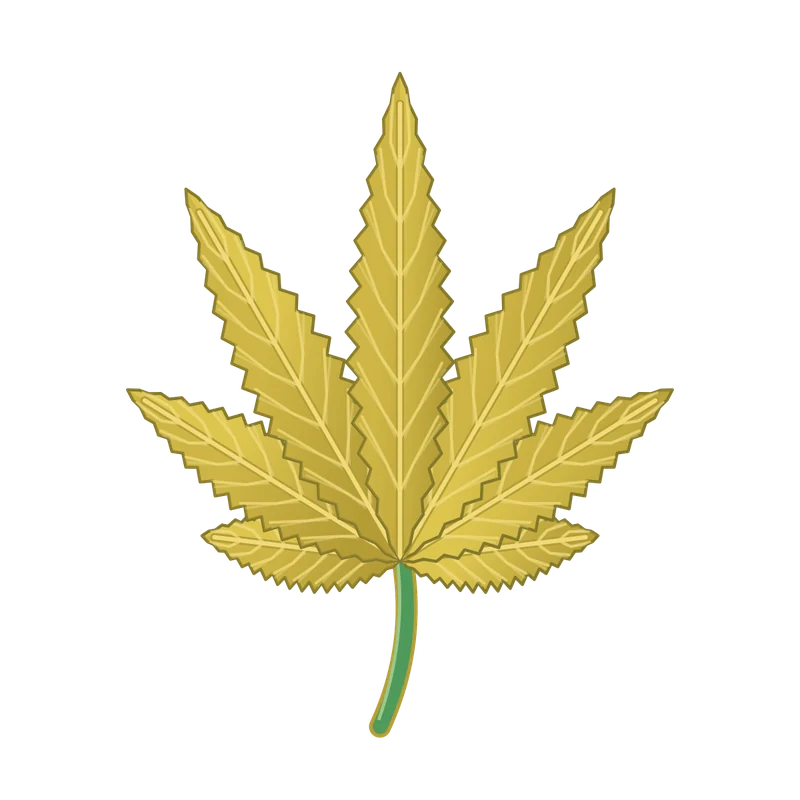
Overwatering: wet roots that can’t get air
Drooping or yellowing leaves on a pot that still feels heavy usually mean the roots are too wet. Don't water…
Curling or clawing · Stunted growth · Wilting or drooping · Yellowing
-
 Nutrient toxicity
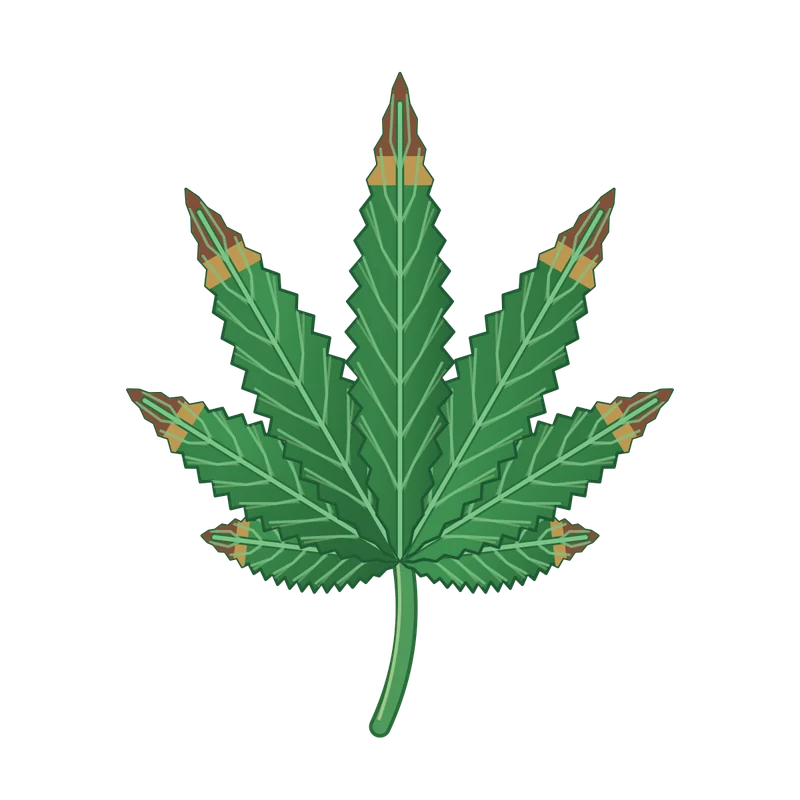
Nutrient burn: brown tips and edges from too much feed
Brown, crispy tips or edges after a stronger feed may be nutrient burn, but other problems look the same. Test…
Browning / necrosis · Curling or clawing · Wilting or drooping · Yellowing
-
 Pest
Aphids: clusters and sticky leaves
Clusters of small soft insects on stems and under leaves, often with sticky or shiny residue, mean aphids. They can…
Sticky or shiny residue · Stunted growth · Visible bugs · Wilting or drooping
-
 Pest
Whiteflies: a white cloud when you shake the plant
Tiny white insects that fly up when you water or brush the plant are whiteflies. Keep a yellow sticky card…
Sticky or shiny residue · Visible bugs · Wilting or drooping · Yellowing
-
Disease
Root rot: brown roots and a plant that keeps declining
Wilting or stunting that watering and feeding don't fix, with brown or decaying roots, points to root rot. Check the…
Browning / necrosis · Stunted growth · Wilting or drooping · Yellowing
-
 Temperature
Heat stress: when the tent is running too hot
Wilting or curling on a plant with moist roots, in a tent that runs hot, may be heat stress. Measure…
Browning / necrosis · Curling or clawing · Wilting or drooping · Buds
Sources (5)
- University of Maryland Extension (2023). Symptoms of overwatering indoor plants. https://extension.umd.edu/resource/overwatered-indoor-plants [Evidence access: EXTENSION TEXT VERIFIED.]
- Park, S.-H., Pauli, C.S., Gostin, E.L., Staples, S.K., Seifried, D., Kinney, C., & Vanden Heuvel, B.D. (2022). Effects of short-term environmental stresses on the onset of cannabinoid production in young immature flowers of industrial hemp (Cannabis sativa L.). Journal of Cannabis Research, 4, 1. https://doi.org/10.1186/s42238-021-00111-y [Evidence access: FULL TEXT VERIFIED.]
- Caplan, D., Dixon, M., & Zheng, Y. (2019). Increasing inflorescence dry weight and cannabinoid content in medical cannabis using controlled drought stress. HortScience, 54(5), 964-969. https://doi.org/10.21273/HORTSCI13510-18 [Evidence access: ABSTRACT EXCERPTS AND SECONDARY REPORTS ONLY; full text NOT VERIFIED.]
- Water stress effects on biomass allocation and secondary metabolism in CBD-dominant Cannabis sativa L. (2025). Plants, 14(8), 1267. https://doi.org/10.3390/plants14081267 [Evidence access: SEARCH SUMMARY ONLY; full text NOT VERIFIED.]
- Chandra, S., Lata, H., Khan, I.A., & ElSohly, M.A. (2008). Photosynthetic response of Cannabis sativa L. to variations in photosynthetic photon flux densities, temperature and CO2 conditions. Physiology and Molecular Biology of Plants, 14, 299-306. https://doi.org/10.1007/s12298-008-0027-x [Evidence access: ABSTRACT VERIFIED; full text NOT VERIFIED.]